- Friday 1st of October 2021



Are there any specific health conditions that may affect the relative efficacy of 100mg and 50mg doses of Vidalista 2.5?
Vidalista (tadalafil) is primarily used for the treatment of erectile dysfunction (ED), and the choice between a 100mg and 50mg dose typically depends on individual factors rather than specific health conditions. However, certain health conditions may influence the relative efficacy and safety of different doses of Vidalista 2.5mg. Here are some examples: Cardiovascular Conditions: Individuals with cardiovascular conditions such as heart disease, hypertension, or a history of stroke may have compromised cardiovascular health. Higher doses of Vidalista, such as 100mg, may pose a greater risk of cardiovascular side effects, including changes in blood pressure. In such cases, a lower dose like 50mg may be safer and more appropriate. Liver or Kidney Disease: Liver or kidney disease can affect the metabolism and elimination of medications like Vidalista. Individuals with impaired liver or kidney function may require dose adjustments to avoid potential accumulation of the drug in the body. In such cases, a lower dose may be recommended to reduce the risk of adverse effects. Hormonal Imbalances: Hormonal imbalances, such as low testosterone levels, can contribute to ED. However, hormonal replacement therapy or other treatments may be necessary to address these underlying hormonal issues. Vidalista 2.5 alone may not be sufficient to address the root cause of ED in individuals with significant hormonal imbalances. Neurological Disorders: Neurological conditions such as multiple sclerosis, Parkinson's disease, or spinal cord injuries can affect nerve function and contribute to ED. The effectiveness of Vidalista in individuals with neurological disorders may vary, and higher doses may be necessary to achieve the desired effect in some cases. Diabetes: Diabetes is a common underlying cause of ED due to its effects on blood vessels and nerves. Individuals with diabetes may have reduced sensitivity to medications like Vidalista, requiring higher doses to achieve the desired effect. However, diabetes also increases the risk of cardiovascular complications, so careful consideration is needed when determining the appropriate dosage. It's essential for individuals with any underlying health condition to consult with a healthcare provider before using Vidalista or adjusting the dosage. A healthcare provider can assess the individual's health status, consider potential interactions with other medications, and make personalized recommendations to optimize the efficacy and safety of Vidalista treatment.
Latest News


- Friday 1st of October 2021
“BIZ 2021” Entrepreneurial Day competition
- Friday 1st of October 2021
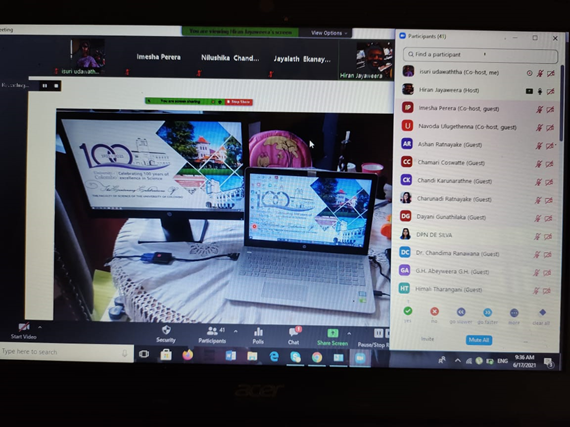
Workshop on modern assessment and the Use of Zoom Software in Learner-Centered Classroom (Academic staff)

- Friday 19th of March 2021
“Let’s Plant Trees for a Better Environment 2021”

- Friday 19th of March 2021
Biz 2020 – UWU Entrepreneurs’ Day

- Friday 19th of March 2021
Faculty of Management signs MoU with the Sri Lanka Institute of Marketing

- Friday 19th of March 2021
0 Replies:
Leave a Reply