- Friday 1st of October 2021



Which factors may contribute to the development of tolerance to Malegra DXT Plus ?
Malegra DXT Plus is a medication used to treat erectile dysfunction and premature ejaculation. Tolerance to medications like Malegra DXT Plus can develop over time due to various factors. Here are some potential factors that may contribute to the development of tolerance: Pharmacological Factors: Tolerance can occur due to changes in the body's response to the medication over time. This can involve changes in the sensitivity of receptors targeted by the drug or alterations in the drug's metabolism and elimination from the body. Dosage and Frequency: Tolerance may develop if the medication is taken too frequently or at higher doses than prescribed. Over time, the body may adapt to the drug's effects, leading to reduced efficacy. Duration of Use: Long-term use of Malegra DXT Plus can lead to tolerance. The body may become accustomed to the presence of the medication, requiring higher doses to achieve the same therapeutic effects. Individual Variability: Tolerance can vary among individuals due to genetic differences, underlying health conditions, or concurrent use of other medications. Some individuals may develop tolerance more quickly or to a greater extent than others. Psychological Factors: Psychological factors such as expectations, beliefs, and conditioning can influence the perceived effectiveness of the medication. Over time, psychological adaptation may contribute to reduced efficacy or perceived tolerance. Drug Interactions: Concurrent use of other medications, substances, or supplements can affect the metabolism and efficacy of Malegra DXT Plus. Interactions may lead to increased tolerance or reduced effectiveness of the medication. Health Conditions: Certain health conditions or physiological changes can influence drug tolerance. For example, changes in hormone levels, neurological function, or vascular health may affect the body's response to Malegra DXT Plus over time. It's essential for individuals taking Malegra DXT Plus or any other medication to follow their healthcare provider's recommendations closely and report any changes in efficacy or adverse effects. If tolerance develops, healthcare providers may need to adjust the dosage, switch medications, or explore alternative treatment options. Additionally, avoiding self-medication and discussing any concerns with a healthcare provider can help prevent tolerance and ensure safe and effective use of the medication.
Latest News


- Friday 1st of October 2021
“BIZ 2021” Entrepreneurial Day competition
- Friday 1st of October 2021
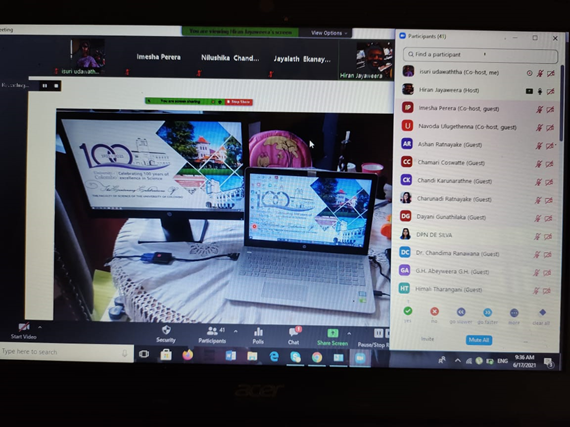
Workshop on modern assessment and the Use of Zoom Software in Learner-Centered Classroom (Academic staff)

- Friday 19th of March 2021
“Let’s Plant Trees for a Better Environment 2021”

- Friday 19th of March 2021
Biz 2020 – UWU Entrepreneurs’ Day

- Friday 19th of March 2021
Faculty of Management signs MoU with the Sri Lanka Institute of Marketing

- Friday 19th of March 2021
0 Replies:
Leave a Reply