- Friday 1st of October 2021



Can Fliban 100 Mg be taken by individuals with a history of urinary tract infections?
Fliban 100 mg is a medication containing flibanserin, which is primarily used to treat hypoactive sexual desire disorder (HSDD) in premenopausal women. It works by affecting certain neurotransmitters in the brain to increase sexual desire. When considering whether Fliban 100 mg can be taken by individuals with a history of urinary tract infections (UTIs), it's important to take several factors into account: Interactions with UTI medications: Fliban 100mg is not known to directly interact with medications commonly used to treat urinary tract infections. However, it's essential to consider any potential interactions with antibiotics or other medications used to treat UTIs. Effect on urinary symptoms: While Fliban 100 mg is primarily used to treat hypoactive sexual desire disorder, it's important to note that it may have side effects that could affect urinary symptoms. Common side effects of Fliban include dizziness, nausea, and fatigue, which could potentially exacerbate urinary symptoms in some individuals. Underlying health conditions: Individuals with a history of urinary tract infections may have other underlying health conditions that could affect their ability to safely take Fliban 100 mg. It's important to consider factors such as kidney function, overall health status, and any other medications being taken. Consultation with a healthcare provider: It's crucial for individuals with a history of urinary tract infections to consult with their healthcare provider before taking Fliban 100 mg or any other medication for hypoactive sexual desire disorder. The healthcare provider can evaluate the individual's medical history, current medications, and overall health status to determine the appropriateness and safety of the medication. In summary, while Fliban 100 mg may be suitable for some individuals with a history of urinary tract infections, it's important to consult with a healthcare provider for personalized advice and monitoring to ensure safety and effectiveness.
Latest News


- Friday 1st of October 2021
“BIZ 2021” Entrepreneurial Day competition
- Friday 1st of October 2021
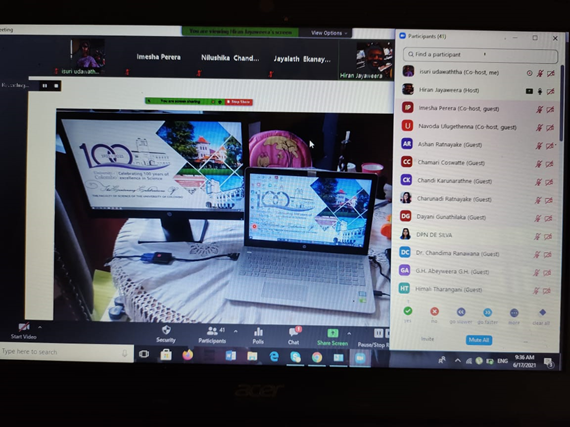
Workshop on modern assessment and the Use of Zoom Software in Learner-Centered Classroom (Academic staff)

- Friday 19th of March 2021
“Let’s Plant Trees for a Better Environment 2021”

- Friday 19th of March 2021
Biz 2020 – UWU Entrepreneurs’ Day

- Friday 19th of March 2021
Faculty of Management signs MoU with the Sri Lanka Institute of Marketing

- Friday 19th of March 2021
0 Replies:
Leave a Reply