- Friday 1st of October 2021



Does Vilitra 60 Mg require regular monitoring of blood pressure?
Regular monitoring of blood pressure may be advisable for individuals taking Vilitra 60 mg, especially if they have a history of cardiovascular conditions or hypertension. Vilitra, containing Vardenafil as its active ingredient, belongs to a class of medications called phosphodiesterase type 5 (PDE5) inhibitors, which can lower blood pressure. Here are some factors to consider regarding blood pressure monitoring while taking Vilitra 60 mg: Baseline Blood Pressure: Before starting treatment with Vilitra 60mg, it's essential to have a baseline assessment of your blood pressure. This provides a reference point for monitoring any changes that may occur during treatment. Hypotension Risk: Vardenafil can cause a temporary decrease in blood pressure, particularly when taken with other medications that also lower blood pressure or with alcohol. Individuals with pre-existing hypotension (low blood pressure) may be at higher risk of experiencing symptomatic hypotension (dizziness, fainting, etc.) while taking Vilitra 60 mg. Cardiovascular Health: Patients with underlying cardiovascular conditions, such as heart disease or a history of stroke, may require closer monitoring of blood pressure while taking Vilitra 60 mg. These conditions can increase the risk of cardiovascular events, and changes in blood pressure may be indicative of potential cardiovascular complications. Medication Interactions: Certain medications, such as alpha-blockers or nitrates, commonly used to treat hypertension or heart conditions, can interact with Vardenafil and potentiate its blood pressure-lowering effects. Regular monitoring of blood pressure can help detect any interactions or adverse effects. Individual Response: Everyone's response to medication can vary. While most individuals may not experience significant changes in blood pressure while taking Vilitra 60 mg, some may be more sensitive to its effects. Regular monitoring allows for early detection of any adverse reactions. Ultimately, the decision to monitor blood pressure regularly while taking Vilitra 60 mg should be made in consultation with a healthcare provider. They can assess your individual risk factors, medical history, and treatment plan to determine the appropriate monitoring schedule for you. If you experience any concerning symptoms, such as dizziness, fainting, or significant changes in blood pressure readings, seek medical attention promptly.
Latest News


- Friday 1st of October 2021
“BIZ 2021” Entrepreneurial Day competition
- Friday 1st of October 2021
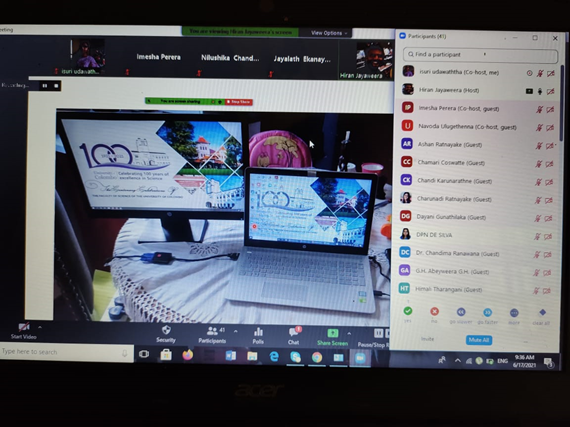
Workshop on modern assessment and the Use of Zoom Software in Learner-Centered Classroom (Academic staff)

- Friday 19th of March 2021
“Let’s Plant Trees for a Better Environment 2021”

- Friday 19th of March 2021
Biz 2020 – UWU Entrepreneurs’ Day

- Friday 19th of March 2021
Faculty of Management signs MoU with the Sri Lanka Institute of Marketing

- Friday 19th of March 2021
0 Replies:
Leave a Reply