- Friday 1st of October 2021



Who should I contact if I experience adverse Avana 200 Mg ?
If you experience any adverse effects after taking Avana 200 mg (or any medication containing Avanafil), it’s important to seek medical attention promptly. Here's who you should contact based on the severity and nature of the symptoms: 1. Immediate Medical Attention (Emergency Symptoms): If you experience severe or potentially life-threatening side effects, such as: Chest pain, dizziness, or lightheadedness (possible signs of heart issues) Severe allergic reaction (difficulty breathing, swelling of the face or throat) Priapism (an erection lasting more than 4 hours) Vision changes, such as sudden loss of vision or blurred vision You should contact emergency services immediately (call emergency services or go to the nearest emergency room). These symptoms require urgent medical intervention. 2. Non-Emergency Adverse Effects: For less severe, but still concerning, side effects (e.g., headaches, mild dizziness, or flushing), you can contact the following: Primary Care Physician (GP): If you're experiencing any side effects that are bothering you or if you have concerns about how the medication is affecting you, it's best to contact your primary care doctor or healthcare provider. Avana 200 can help assess whether the medication is suitable for you or if adjustments need to be made (such as dose changes or switching to a different medication). Prescribing Doctor or Urologist: If your Avanafil prescription was provided by a specialist such as a urologist, you should reach out to them for specific advice related to erectile dysfunction treatment. They will have the most knowledge of your treatment history and can recommend next steps. 3. Pharmacist: If you’re unsure whether what you’re experiencing is related to Avana 200 mg or if you have questions about the medication’s side effects, you can contact your pharmacist. They can provide information about potential interactions or side effects and help you decide whether to seek further medical attention. 4. Poison Control or Helpline: If you're unsure about the severity of the symptoms, or if you've taken an overdose, contact a poison control center or a relevant healthcare helpline. They can provide guidance on whether you need immediate care. 5. Alternative Contact (If Abroad): If you're traveling or living abroad, and are unable to contact your usual healthcare provider, look for a local healthcare provider or pharmacy for advice. International medical hotlines or services are often available to provide assistance in such cases.
Latest News


- Friday 1st of October 2021
“BIZ 2021” Entrepreneurial Day competition
- Friday 1st of October 2021
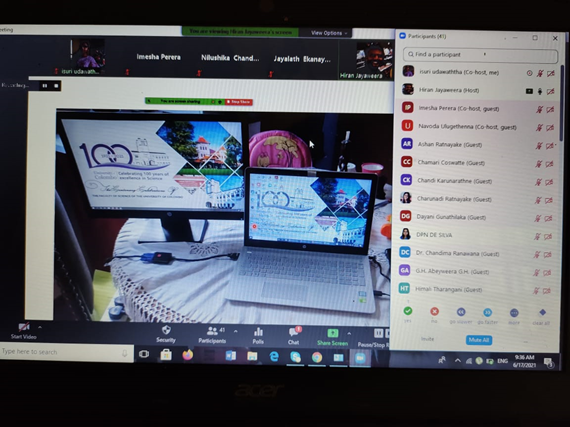
Workshop on modern assessment and the Use of Zoom Software in Learner-Centered Classroom (Academic staff)

- Friday 19th of March 2021
“Let’s Plant Trees for a Better Environment 2021”

- Friday 19th of March 2021
Biz 2020 – UWU Entrepreneurs’ Day

- Friday 19th of March 2021
Faculty of Management signs MoU with the Sri Lanka Institute of Marketing

- Friday 19th of March 2021
0 Replies:
Leave a Reply