- Friday 1st of October 2021



Performance testing tips for actuators used in continuous-duty applications
I’m working with actuators that are expected to run continuously throughout the day, and I want to make sure they’re properly tested before going fully live. Short tests don’t always reveal long-term issues, so I’m curious how others approach performance testing for this kind of use.
When dealing with actuator performance testing for continuous-duty setups, the biggest lesson I learned was to extend test duration well beyond what feels necessary. I usually run actuators at expected load for hours while monitoring temperature, noise, and speed consistency. Reviewing specs and testing recommendations on linear actuator testing helped me understand what “normal” performance should look like over time. I also log data at regular intervals so I can spot gradual changes instead of just obvious failures. Heat buildup is often the silent issue in continuous applications. Allowing cool-down periods between cycles during testing can reveal whether the actuator is operating within safe limits. This kind of testing takes patience, but it prevents surprises later.
Replied on : Wed, Feb 11, 2026 1:59 PM
Replied By : haski nerin
Long-duration testing often exposes issues that short trials completely miss. Components can behave perfectly for the first hour and then slowly drift out of spec. I’ve noticed that people who track performance trends tend to catch problems earlier. Even simple logs can highlight patterns that would otherwise go unnoticed. Consistency over time matters more than peak performance.
Replied on : Wed, Feb 11, 2026 2:54 PM
Replied By : Chris Molti
Latest News


- Friday 1st of October 2021
“BIZ 2021” Entrepreneurial Day competition
- Friday 1st of October 2021
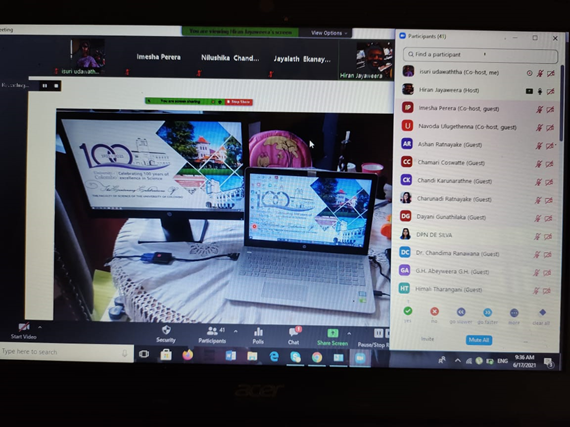
Workshop on modern assessment and the Use of Zoom Software in Learner-Centered Classroom (Academic staff)

- Friday 19th of March 2021
“Let’s Plant Trees for a Better Environment 2021”

- Friday 19th of March 2021
Biz 2020 – UWU Entrepreneurs’ Day

- Friday 19th of March 2021
Faculty of Management signs MoU with the Sri Lanka Institute of Marketing

- Friday 19th of March 2021
2 Replies:
Leave a Reply