- Friday 1st of October 2021



Which Laboratory Abnormalities Contraindicate Vidalista 40?
Vidalista 40, which contains Tadalafil, is generally safe when prescribed appropriately. However, certain laboratory abnormalities can indicate underlying conditions where its use may be unsafe or require caution.
One major concern is abnormal liver function tests (LFTs). Elevated enzymes such as ALT or AST may suggest liver impairment, which can slow tadalafil metabolism and increase the risk of toxicity. Patients with significant hepatic dysfunction are usually advised to avoid or adjust the dose.
Renal function abnormalities are also important. High serum creatinine or reduced glomerular filtration rate (GFR) indicates kidney impairment, which can lead to drug accumulation in the body. In such cases, lower doses are typically recommended, and Vidalista 40 mg may be contraindicated in severe kidney disease.
Another critical issue is cardiovascular-related lab findings, such as elevated cardiac biomarkers or abnormal lipid profiles combined with uncontrolled hypertension or hypotension. Since tadalafil can affect blood pressure, unstable cardiovascular status increases risk.
Abnormal electrolyte levels, especially potassium imbalance, may also pose concerns when combined with heart conditions or medications affecting cardiac rhythm.
Lastly, conditions linked to blood disorders, such as abnormal complete blood counts, may require caution, particularly if associated with diseases like Sickle Cell Anemia, which can increase the risk of complications like prolonged erections.
Latest News


- Friday 1st of October 2021
“BIZ 2021” Entrepreneurial Day competition
- Friday 1st of October 2021
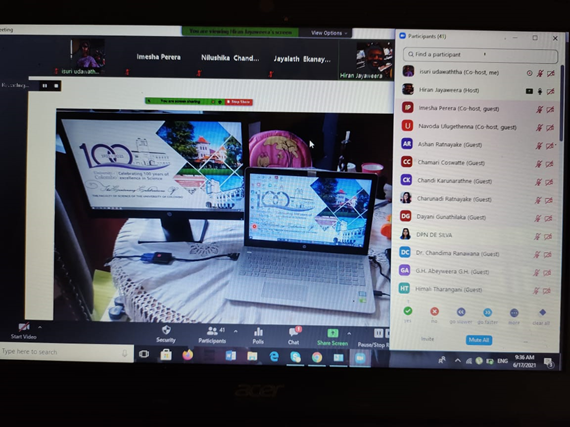
Workshop on modern assessment and the Use of Zoom Software in Learner-Centered Classroom (Academic staff)

- Friday 19th of March 2021
“Let’s Plant Trees for a Better Environment 2021”

- Friday 19th of March 2021
Biz 2020 – UWU Entrepreneurs’ Day

- Friday 19th of March 2021
Faculty of Management signs MoU with the Sri Lanka Institute of Marketing

- Friday 19th of March 2021
0 Replies:
Leave a Reply