- Friday 1st of October 2021



Five Nights at Freddy’s 2: The Horror Game That Redefined Fear
Five Nights at Freddy's 2, often called fnaf 2, is one of the most popular horror games ever created. Developed by Scott Cawthon, the game was released in 2014 as a prequel to the original Five Nights at Freddy’s. It quickly became famous for its intense gameplay, creepy atmosphere, and unforgettable animatronic characters. In FNAF 2, players take the role of a night security guard working at Freddy Fazbear’s Pizza, a family entertainment restaurant filled with robotic mascots. However, these animatronics become dangerous at night and begin hunting the player. Unlike many horror games that rely on action and weapons, FNAF 2 focuses on survival, strategy, and fear. Players must monitor security cameras, manage limited resources, and react quickly to avoid being attacked. One of the biggest improvements in FNAF 2 is the variety of animatronics. Characters such as Toy Freddy, The Puppet, and Mangle create a tense and unpredictable experience. Each enemy behaves differently, forcing players to learn unique strategies to survive each night. The game’s atmosphere is another reason for its success. Dark hallways, eerie sounds, and sudden jump scares make every moment stressful and exciting. Even though the graphics are simple compared to modern games, the clever sound design and suspense create a terrifying experience that keeps players on edge. FNAF 2 also became a major part of internet gaming culture. Thousands of gamers and YouTubers uploaded reaction videos, gameplay tutorials, and fan theories about the game’s hidden story. This helped the FNAF series grow into a worldwide phenomenon with books, merchandise, and multiple sequels. In conclusion, Five Nights at Freddy’s 2 is more than just a horror game. It is a unique survival experience that combines mystery, strategy, and psychological fear. Even years after its release, FNAF 2 remains one of the most iconic indie horror games in gaming history.
Latest News


- Friday 1st of October 2021
“BIZ 2021” Entrepreneurial Day competition
- Friday 1st of October 2021
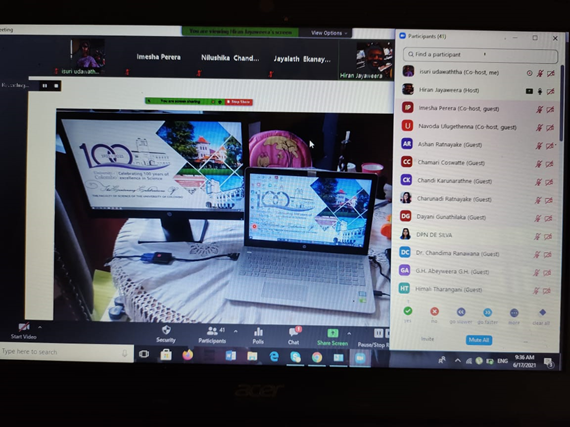
Workshop on modern assessment and the Use of Zoom Software in Learner-Centered Classroom (Academic staff)

- Friday 19th of March 2021
“Let’s Plant Trees for a Better Environment 2021”

- Friday 19th of March 2021
Biz 2020 – UWU Entrepreneurs’ Day

- Friday 19th of March 2021
Faculty of Management signs MoU with the Sri Lanka Institute of Marketing

- Friday 19th of March 2021
0 Replies:
Leave a Reply