- Friday 1st of October 2021



Scratch Resistance and Daily Care for Bothbest Moso Flooring
Choosing a floor for a high-traffic home often involves a compromise between the organic beauty of natural materials and the cold, utilitarian resilience of synthetic alternatives. However, Moso bamboo has redefined this narrative, offering a surface that competes with—and frequently surpasses—traditional hardwoods in both aesthetic appeal and mechanical endurance. As a premier supplier of MOSO bamboo products in China, Bothbest has seen firsthand how this specific species of bamboo, Phyllostachys edulis, serves as the backbone for some of the most durable residential and commercial flooring available. When discussing the longevity of a floor, the conversation inevitably turns to scratch resistance and daily maintenance. A floor is an investment that undergoes constant stress from foot traffic, furniture movement, and the unpredictable variables of pets and children. Understanding the technical properties of Moso flooring and implementing a disciplined care routine ensures that the material maintains its factory-fresh appearance for decades. The Mechanical Strength of Moso Bamboo The inherent scratch resistance of a bamboo floor is not merely a result of its surface finish; it is rooted in the biological structure of the plant. Moso bamboo is the "giant" of the grass family, harvested only after reaching full structural maturity between 5 and 7 years. During this period, the lignin content within the stalks hardens, creating a density that is far superior to younger bamboo or many domestic wood species. In the industry, we measure this resistance using the Janka Hardness Scale. Standard Moso bamboo in its horizontal or vertical grain formats typically rates around 1,300 to 1,400 lbf, which is comparable to Northern Red Oak. However, when Bothbest processes this material into strand-woven flooring—where the fibers are shredded and compressed with high-strength resins—the Janka rating can climb as high as 2,800 to 3,500 lbf. This makes strand-woven Moso bamboo one of the hardest flooring options on the planet, significantly reducing the risk of deep gouges or impact dents from dropped objects. The Role of Aluminum Oxide Finishes While the density of the bamboo protects against structural damage, the surface finish is the primary defense against micro-scratches. Most high-quality Moso flooring features a multi-layer finish system, often consisting of seven to nine coats of UV-cured polyurethane infused with aluminum oxide. Aluminum oxide is a mineral of extreme hardness, second only to diamond. By suspending these microscopic particles within the finish, manufacturers create an "armor" layer that resists the abrasive action of fine grit and dust. This is why a Moso floor often maintains its sheen even in entryways where people are constantly walking in from the street. However, it is important to remember that "scratch-resistant" is not the same as "scratch-proof." Even the toughest finish can be compromised if abrasive debris is allowed to accumulate. Daily Maintenance: The War on Grit The single most effective way to prevent scratches on your Moso flooring is to manage the presence of grit. Microscopic stones, sand, and dirt act like sandpaper under the weight of human footsteps. Over time, these abrasives can dull the finish and create tiny "check" marks that trap dirt and moisture. Daily care should focus on dry-cleaning methods. A soft-bristle broom or a microfiber dust mop is the ideal tool for the job. Microfiber is particularly effective because it uses static electricity to "grab" dust rather than simply pushing it around the room. If using a vacuum cleaner, it is vital to ensure it has a "hard floor" setting that disengages the beater bar. A rotating brush designed for carpets can inadvertently scratch a bamboo surface if a small pebble gets caught in the bristles. Proper Moisture Management One of the common misconceptions about bamboo is that it can be treated like tile. While Moso bamboo is naturally more moisture-resistant than many hardwoods, it is still an organic material. Traditional wet mopping—where a mop is saturated with water and dragged across the floor—should be strictly avoided. Excessive water can seep into the joints between the planks, leading to swelling, "cupping," or the degradation of the finish. For routine cleaning, a "damp-mop" approach is best. This involves using a spray bottle with a pH-neutral cleaner specifically formulated for bamboo or hardwood and a slightly damp microfiber pad. The floor should be dry within a minute of cleaning. If a spill occurs, it should be blotted up immediately with a dry cloth to prevent any liquid from finding its way into the seams. Preventative Strategies for the Home A proactive approach to floor protection reduces the need for aggressive cleaning and repairs. Integrating a few simple habits into your household routine can dramatically extend the life of the finish. Entryway Management: Place high-quality walk-off mats at every exterior entrance. These mats act as a filter, catching the majority of dirt and moisture before it ever touches your Moso floor. It is important to avoid mats with a thick rubber or latex backing, as these can trap moisture against the floor or cause discoloration in the finish over time. Breathable, non-staining backings are preferred. The "No Shoes" Policy: While not always practical for every lifestyle, removing outdoor shoes at the door is the most significant preventative measure you can take. High heels, in particular, are a major threat; a 125 lb woman walking in stiletto heels can exert a pressure of over 2,000 psi on the floor, which can dent even the hardest strand-woven bamboo. Furniture Protection: Every piece of furniture—chairs, tables, sofas, and cabinets—should be fitted with heavy-duty felt floor protectors. These pads allow furniture to be moved slightly for cleaning without dragging across the surface. For heavy items that are rarely moved, such as large bamboo kitchen cabinets, wide-base protectors help distribute the weight and prevent long-term indentations. Pet Care: If you have dogs or cats, keeping their nails trimmed is essential. While a strand-woven Moso floor is tough, a large dog running at full speed can still leave superficial marks in the polyurethane layer. Placing rugs in high-traffic "pet corridors" can help manage the impact.
Latest News


- Friday 1st of October 2021
“BIZ 2021” Entrepreneurial Day competition
- Friday 1st of October 2021
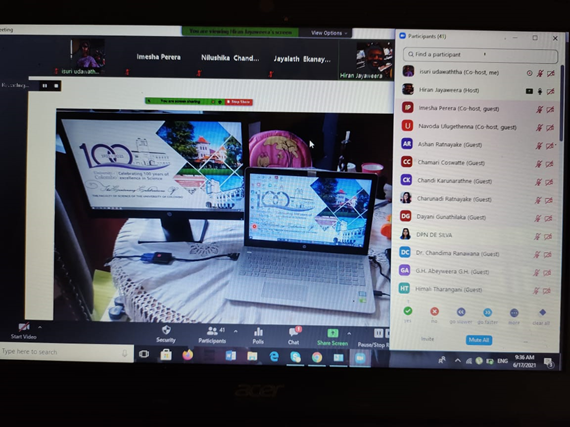
Workshop on modern assessment and the Use of Zoom Software in Learner-Centered Classroom (Academic staff)

- Friday 19th of March 2021
“Let’s Plant Trees for a Better Environment 2021”

- Friday 19th of March 2021
Biz 2020 – UWU Entrepreneurs’ Day

- Friday 19th of March 2021
Faculty of Management signs MoU with the Sri Lanka Institute of Marketing

- Friday 19th of March 2021
0 Replies:
Leave a Reply