- Friday 1st of October 2021



The Magic of Carbonized Bamboo Flooring: How It Gets That Warm, Rich Color
When designing a living space, the choices we make underfoot carry immense weight. Floors serve as the foundational canvas for an entire home, setting the tone for both comfort and visual design. For decades, traditional hardwoods like oak, walnut, and cherry held a monopoly on premium interior finishes. However, as modern homeowners seek sustainable alternatives that do not compromise on elegance, bamboo has stepped into the spotlight.
In its natural state, bamboo is a bright, pale blonde color. While this light aesthetic works beautifully in minimalist or coastal layouts, many homeowners crave the deeper, warmer tones traditionally associated with aged timber or exotic woods. This is where carbonization enters the picture.
Rather than relying on superficial chemical stains or topical dyes that can scratch away over time, the manufacturing industry utilizes a specialized thermal process to alter the material from the inside out. Understanding how carbonization works reveals why this material has become a favorite for eco-conscious renovations requiring a touch of historic warmth.
What Exactly Is Carbonization?
To appreciate the science behind the aesthetic, it helps to look at the physical composition of the raw material. Bamboo is a giant grass, not a tree, and its stalks are packed with natural starches, complex sugars, and moisture. When these stalks are harvested and processed into raw strips, they retain these organic compounds.
Carbonization is a controlled industrial steaming process that subjects the raw bamboo fibers to intense heat and pressure. Think of it as a highly sophisticated, large-scale culinary technique applied to building materials.
When the raw strips are loaded into specialized pressure vessels and exposed to superheated steam, a chemical reaction occurs within the cellular structure of the grass. The intense heat cooks the natural sugars inherent in the plant fibers, causing them to caramelize. Just as granulated sugar turns a rich, golden brown when heated in a skillet on a kitchen stove, the fibers change color uniformly throughout their entire thickness.
This thermal alteration results in a spectrum of deep, inviting shades. Depending on the duration of the steaming process and the level of pressure applied, the final color can range from a light caramel or honey tone to a deep, smoky amber, or a rich espresso hue.
The Big Advantage: Color That Runs All the Way Through
The primary reason designers and discerning homeowners prefer carbonized bamboo flooring over stained alternatives comes down to structural integrity and long-term wear.
When a standard hardwood floor or a natural blonde bamboo floor is colored using a topical stain, the pigment only penetrates a fraction of a millimeter into the top surface. The moment a heavy piece of furniture is dragged across the room, a pet claws at the surface, or a child drops a sharp toy, the scratch cuts through the thin layer of stain. This exposes the bright, contrasting natural wood color underneath, making every minor mishap immediately visible.
With carbonized material, the rich color is a permanent characteristic of the physical fiber itself. Because the sugars were caramelized completely through the entire thickness of the plank before it was pressed and milled, a scratch or gouge does not reveal a different color beneath. The uniform depth of tone ensures that the floor maintains its high-end, luxurious appearance even under heavy daily foot traffic. If the surface eventually shows signs of superficial wear after a decade of use, it can be lightly screened or completely sanded down without losing its beautiful warm hue.
How Carbonization Impacts Material Hardness
While the aesthetic benefits of carbonizing are undeniable, the thermal process introduces a critical technical nuance that every homeowner should understand before making a purchase.
Subjecting the natural plant fibers to extreme heat and steam breaks down some of the raw starches and sugars. While this makes the material completely unappetizing to boring insects and mold, it also alters the density of the grass. In traditional horizontal or vertical manufacturing configurations, the carbonization process can reduce the natural hardness of the bamboo by roughly ten to twenty percent.
For traditional installations, this means a carbonized floor is slightly softer than its natural blonde counterpart, placing its dent resistance closer to that of traditional black walnut or cherry wood rather than hard maple or oak. For low-traffic areas like bedrooms, home offices, or formal dining rooms, this minor reduction in hardness is practically unnoticeable.
However, the modern manufacturing sector solved this density dilemma through the invention of strand-woven technology. To create strand-woven planks, the carbonized fibers are shredded into loose strands, mixed with eco-friendly resins, and compressed under thousands of tons of pressure into massive solid blocks. This extreme compaction completely compensates for any structural softening caused by the steaming process. The resulting strand-woven planks are incredibly dense, often scoring twice as hard as traditional red oak, making them perfectly suited for high-activity living rooms, kitchens, and commercial spaces.
Environmental Benefits and Indoor Safety
Opting for a carbonized floor aligns perfectly with green building practices. Because bamboo reaches full structural maturity in just five to seven years—compared to the fifty to eighty years required for traditional hardwood trees—it stands as one of the most rapidly renewable architectural resources available. The plant grows from a continuous underground root system, meaning it can be harvested repeatedly without causing soil erosion or requiring replanting.
The carbonization process itself is completely natural, relying solely on heat, steam, and pressure to change the color of the material. This eliminates the need for heavy industrial stains and chemical dyes that often contain volatile organic compounds.
When manufacturing is managed by reputable facilities that utilize ultra-low-emission binding resins, the final product contributes to excellent indoor air quality. Homeowners can rest easy knowing their floors are not off-gassing harmful chemicals into their living spaces, creating an environment that is safe for children, pets, and anyone sensitive to airborne allergens.
Designing with Warm, Rich Tones
From a purely visual perspective, carbonized tones bring an irreplaceable sense of warmth and natural groundedness to an interior design scheme. The earthy, caramelized shades possess a subtle complexity, featuring delicate variations in tone from plank to plank that mirror the natural beauty of exotic tropical hardwoods.
In modern, minimalist interiors, a caramel-toned floor prevents the space from feeling clinical or cold, introducing an organic texture that contrasts beautifully with crisp white walls, matte black fixtures, and exposed concrete elements.
For more traditional or rustic designs, the deep amber and coffee shades provide a stately, historic presence. These dark tones anchor large, open-concept spaces, making expansive rooms feel cozy and inviting. Because the material reacts beautifully to natural light, the floors display a soft, shifting depth of color throughout the day as sunlight moves across the room, highlighting the unique linear grain patterns inherent to the grass.
Maintenance and Longevity Secrets
To ensure your warm, rich floor retains its original factory luster for decades, following a straightforward maintenance routine is essential. The primary enemy of any natural floor finish is abrasive grit tracked in from the outdoors.
Placing high-quality walk-off mats at all exterior entryways captures small stones, dirt, and sand before they can scratch the protective polyurethane topcoat. Daily maintenance should involve a quick sweep with a soft-bristled broom or a run-through with a microfiber dust mop to lift away loose particles. When vacuuming, always ensure the machine is set to the hard-floor mode to disengage the spinning brush roll, as stiff bristles can leave faint micro-scratches over time.
When cleaning up spills or performing periodic damp mopping, avoid excessive water and harsh chemical cleaners. Heavy saturation can allow liquid to seep into the plank seams, potentially causing swelling or edge distortion. Instead, use a well-wrung microfiber mop lightly dampened with a dedicated, pH-neutral cleaner designed specifically for hardwood or bamboo surfaces. This prevents the buildup of a cloudy, dull film, allowing the true caramelized beauty of the grain to shine through clearly.
Final Considerations for the Homeowner
The journey from a pale green stalk in a hillside grove to a rich, caramel-toned floor involves a beautiful marriage of natural biology and sophisticated thermal engineering. Carbonization unlocks the hidden design potential of sustainable building materials, offering an eco-friendly path to achieving the timeless warmth and prestige of dark exotic woods.
By understanding the structural dynamics of the material and opting for high-quality strand-woven options in high-traffic zones, you can enjoy an incredibly durable, visually stunning surface that elevates the comfort of your home while treading lightly on the planet.
About Bothbest: Bothbest is a premier factory specializing in the manufacturing and exporting of high-quality bamboo flooring products based in China. With decades of professional experience, they supply durable, beautiful, and eco-friendly flooring solutions to global markets, utilizing advanced technology to meet strict international standards for residential and commercial spaces.
Latest News


- Friday 1st of October 2021
“BIZ 2021” Entrepreneurial Day competition
- Friday 1st of October 2021
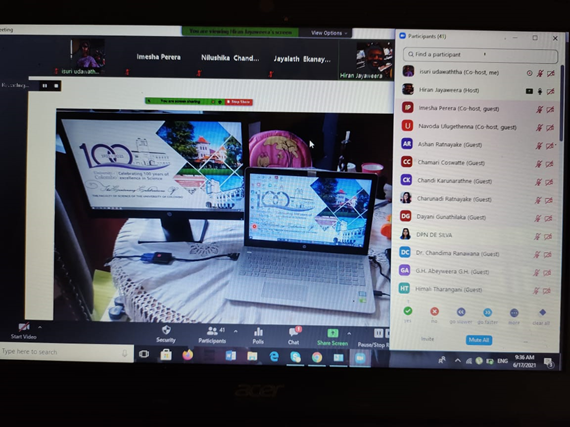
Workshop on modern assessment and the Use of Zoom Software in Learner-Centered Classroom (Academic staff)

- Friday 19th of March 2021
“Let’s Plant Trees for a Better Environment 2021”

- Friday 19th of March 2021
Biz 2020 – UWU Entrepreneurs’ Day

- Friday 19th of March 2021
Faculty of Management signs MoU with the Sri Lanka Institute of Marketing

- Friday 19th of March 2021
0 Replies:
Leave a Reply