- Friday 1st of October 2021



Choosing the Best Outdoor Decking: Bamboo, WPC, or Merbau
Creating an inviting outdoor living space requires careful planning, architectural foresight, and an understanding of materials science. The deck serves as an extension of the home, a gathering point for families, and a structural element exposed to the harshest environmental conditions. When navigating the selection process, homeowners, builders, and architects frequently find themselves comparing three prominent contenders: bamboo, Wood-Plastic Composite (WPC), and Merbau. Each material brings unique physical properties, aesthetic profiles, and performance characteristics to the project. Making the right selection depends on balancing local climate demands, structural expectations, installation preferences, and long-term upkeep realities.
Architectural Profile of Modern Decking Options
Selecting an outdoor surface involves exploring how raw materials are transformed into stable, structural planks. While natural timber relies on centuries of forestry evolution, engineered alternatives utilize advanced thermal and mechanical processes to meet demanding residential and commercial performance standards.
Strand Woven Bamboo
Engineered strand woven bamboo decking is produced by stripping fast-growing bamboo stalks into long, fibrous strands. These fibers undergo high-temperature thermal modification, carbonization, and dehydration, which caramelizes the natural sugars within the plant material. The altered fibers are then compressed under immense hydraulic pressure using specialized phenolic resins. This creates an exceptionally dense composite block that is subsequently sliced into decking profiles. The resulting material possesses structural density, stability, and hardness that exceeds almost all traditional hardwoods.
Wood-Plastic Composite (WPC)
Wood-Plastic Composite is an engineered hybrid product fabricated from a blend of recycled wood flour, sawdust, or cellulose fibers mixed with thermoplastic polymers such as polyethylene, polypropylene, or polyvinyl chloride. These components are combined with chemical additives, ultraviolet stabilizers, and color pigments before being extruded into solid or hollow boards. Co-extrusion technology adds an outer plastic shell to protect the internal core from moisture infiltration and superficial scratching.
Merbau Timber
Merbau is a premium natural hardwood native to the tropical rainforests of Southeast Asia and the Pacific region. Known botanically as Intsia bijuga, it is highly sought after for its exceptional natural density and structural strength. The wood features a naturally high concentration of oleoresins and tannins, which serve as built-in protection against decay and biological attacks. Its physical structural integrity allows it to perform reliably in exposed settings without extensive industrial processing.
Aesthetic Differences and Visual Aging
The visual impact of a deck defines the ambiance of an entire backyard or commercial terrace. Understanding how these surfaces look on day one, and how they evolve under consistent sunlight and rainfall, prevents unmet expectations down the road.
Natural materials change color over time. Merbau features a deep, luxurious orange-brown or reddish-brown hue when freshly cut, often interspersed with subtle golden flecks running through the interlocking or wavy grain. When exposed to outdoor ultraviolet radiation, untreated Merbau naturally transitions into a stately silver-grey patina. To preserve its original fiery warmth, homeowners must apply regular clear or tinted oil coats.
High-quality strand woven bamboo provides a distinct architectural alternative. It mimics the deep, rich grain patterns of premium tropical timber but offers a more uniform surface texture due to its engineered construction. Bamboo boards generally age gracefully, shifting slightly from deep espresso tones to a lighter, weathered timber appearance under direct sunlight. This provides a natural, organic look without the heavy knots found in conventional wood.
Conversely, WPC relies on manufactured consistency. Available in a wide selection of pre-finished colors ranging from light slate greys to dark teak representations, composite boards eliminate natural color variations. While early generations of WPC looked explicitly synthetic, modern premium options use multi-tonal streaking and deeply embossed faux-grain patterns to simulate real wood. Furthermore, high-quality composites resist fading, maintaining their color consistency for many years.
Structural Performance and Durability Metrics
Evaluating structural metrics helps ensure the safety and longevity of a deck under heavy foot traffic, heavy patio furniture, and cyclical weather changes.
Density impacts indentation resistance and overall structural stiffness. High-density strand woven bamboo regularly achieves an exceptional Janka hardness rating, making it tougher than Merbau and significantly firmer than WPC. This extreme hardness makes bamboo highly resistant to dropped tools, sharp furniture legs, and high-heeled shoes.
Janka Hardness Comparison Context:
- Strand Woven Bamboo: Often exceeds 2,500 lbf to 3,000 lbf depending on manufacturing density.
- Merbau Hardwood: Averages between 1,900 lbf and 2,300 lbf.
- WPC Material: Does not possess a traditional Janka timber rating due to its plastic composition, making it more susceptible to localized surface gouging and scratches.
Merbau stands out as a highly stable, Class 1 durability hardwood above ground, meaning it naturally resists rot, fungal decay, and boring insects for decades. However, its organic structure remains susceptible to moisture absorption, which can cause micro-checking, minor surface splitting, or slight cupping during extreme dry-and-wet cycles.
WPC eliminates issues like splitting, splintering, and dry rot because its plastic content encapsulates the wood fibers against moisture. However, because plastics are thermoplastic, WPC exhibits a higher coefficient of thermal expansion and contraction along its length. If installers do not leave exact expansion gaps during construction, composite boards can warp or buckle when temperatures rise. Additionally, WPC retains more ambient heat than bamboo or Merbau, making it noticeably hotter to walk on barefoot on midsummer afternoons.
Environmental and Sustainability Considerations
Modern construction projects require a close examination of a material's environmental footprint, carbon sequestration abilities, and end-of-life options.
Bamboo is an exceptionally sustainable option. It is a fast-growing grass that reaches structural maturity in roughly five years, compared to decades for hardwoods. When harvested properly, the underground root system remains intact, allowing new shoots to grow without requiring replanting or causing soil erosion. This rapid growth cycle enables high yields of raw material while effectively capturing atmospheric carbon dioxide.
Merbau faces ongoing sustainability challenges. Due to high demand, certain natural habitats face risks from illegal logging and deforestation. To ensure responsible sourcing, builders must verify that their Merbau timber carries certifications from reputable forestry organizations. Because these slow-growing trees take many decades to mature, their replacement rate is significantly lower than that of bamboo.
WPC addresses sustainability through recycling by repurposing massive quantities of post-consumer plastics and industrial wood waste that would otherwise sit in landfills. However, its long-term environmental footprint is more complex. Because it is a fused composite of organic wood fibers and synthetic polymers, separating these materials at the end of the deck's lifespan is difficult, meaning most old WPC boards end up in landfills rather than being recycled.
Installation, Maintenance, and Lifetime Care
The initial purchase price of decking boards represents only a portion of the total cost of ownership. Long-term upkeep schedules and ease of installation play massive roles in overall satisfaction.
Working with Merbau
Installing Merbau requires traditional timber woodworking skills. Because of its high density, carpenters must pre-drill all screw holes to prevent splitting near the board ends. It is critical to use high-grade stainless steel fasteners; standard coated screws can react with the natural wood acids, resulting in black, unsightly stains around the screw heads.
A significant characteristic of Merbau is tannin bleeding. When exposed to its first few rains, the natural water-soluble tannins leach out of the timber, creating a dark reddish fluid that can permanently stain surrounding concrete patios, brickwork, or light-colored house foundations. To manage this, installers often use commercial wood cleaners to strip excess tannins before sealing the wood. Maintaining Merbau requires annual cleaning, sanding, and re-oiling to keep its rich color and stop surface weathering.
Managing WPC Maintenance
Wood-Plastic Composite offers exceptional convenience for busy property owners. It does not require sanding, staining, painting, or oiling. Cleaning simply requires an occasional wash with soapy water or a gentle pressure washer to remove surface dirt, fallen leaves, and mold spores.
However, WPC demands precise installation. Because the boards cannot be sanded down or re-finished, any initial errors in joist spacing or leveling will remain permanently visible. Furthermore, deep scratches or heat deformations cannot be repaired; fixing a damaged spot requires completely replacing the affected boards, which can be challenging if the surrounding deck has aged or faded slightly.
Long-Term Care for Bamboo
Strand woven bamboo combines the structural working traits of premium hardwood with engineered dimensional stability. Most premium bamboo planks feature tongue-and-groove end-matching profiles, allowing boards to lock together smoothly along their lengths. This reduces cutting waste and speeds up installation times. Many manufacturers design these boards with hidden side-grooves, enabling clip-on fastener installations that eliminate visible screw heads across the deck surface.
Because it is an organic material enhanced with resin, bamboo requires far less maintenance than Merbau, but more than WPC. It does not suffer from tannin bleeding, saving time during installation. To protect its color from UV fading, apply a penetrating exterior oil coat every two to three years. If the surface becomes scuffed or stained after years of heavy use, bamboo can be sanded down and refinished just like traditional hardwood, extending its overall service life.
Choosing Based on Project Requirements
Every outdoor space has specific environmental and functional needs, making certain materials a better fit for different scenarios.
- High-Traffic Family Spaces: Bamboo is an excellent choice for areas with children, pets, and frequent entertainment due to its superior dent resistance, splinter-free finish, and solid structural feel.
- Wet and Poolside Environments: High-quality WPC excels around swimming pools, hot tubs, and coastal boardwalks because it completely resists moisture-induced rot and decay.
- Traditional and Custom Timber Projects: Merbau remains a classic option for matching existing hardwood structures or building intricate pergolas and privacy screens that require a rich, natural wood grain.
By analyzing hardness requirements, installation conditions, and long-term maintenance preferences, property owners can build a durable, beautiful outdoor space that stands up to the elements for years to come.
About Bothbest
Bothbest is a premier, direct-to-source manufacturer specializing in the production of high-quality bamboo flooring and bamboo decking based in China. With decades of manufacturing expertise, the factory supplies durable, eco-friendly, and architecturally sound bamboo solutions to global markets, ensuring strict quality control from raw harvest to final delivery.
Latest News


- Friday 1st of October 2021
“BIZ 2021” Entrepreneurial Day competition
- Friday 1st of October 2021
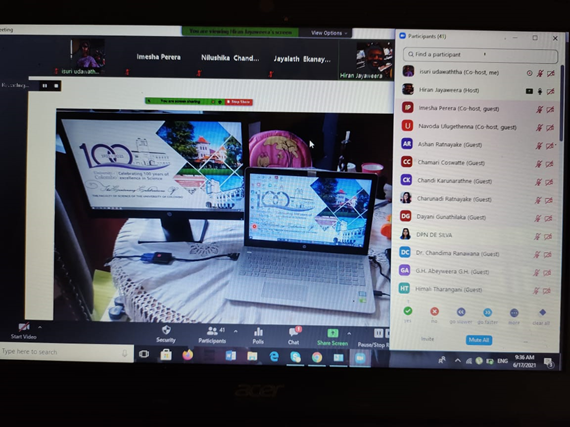
Workshop on modern assessment and the Use of Zoom Software in Learner-Centered Classroom (Academic staff)

- Friday 19th of March 2021
“Let’s Plant Trees for a Better Environment 2021”

- Friday 19th of March 2021
Biz 2020 – UWU Entrepreneurs’ Day

- Friday 19th of March 2021
Faculty of Management signs MoU with the Sri Lanka Institute of Marketing

- Friday 19th of March 2021
0 Replies:
Leave a Reply