- Friday 1st of October 2021



Strand Woven bamboo Flooring: The Hardest Choice for US & European Homes
Homeowners across the United States and Europe face a persistent challenge when selecting interior flooring. Traditional hardwood options such as red oak, white oak, maple, and European ash have long served as standard choices, yet they frequently show wear under heavy foot traffic, pet claws, high heels, and moving furniture. Repairing dented timber or replacing damaged planks adds significant expense and disruption over time.
Strand woven bamboo flooring has emerged as an exceptionally durable alternative that addresses these performance concerns directly. Engineered through a high-pressure compression process, this material offers superior surface density, structural stability, and resistance to everyday wear. Examining its manufacturing process, technical performance metrics, environmental qualities, and installation considerations clarifies why strand woven bamboo represents one of the hardest and most reliable surfaces available for modern residential spaces.
Understanding the Strand Woven Manufacturing Process
Standard bamboo flooring is created by gluing flat strips of harvested bamboo together vertically or horizontally. While these traditional methods produce a clean, linear aesthetic, they retain the original cell structure and natural density limitations of the raw plant stem.
Strand woven bamboo flooring utilizes a fundamentally different mechanical process:
1. Harvesting Mature Culms: Moso bamboo stalks are harvested at five to seven years of growth, the stage where fiber density and structural tensile strength peak.
2. Stripping and Shredding: The outer green skin and inner nodes are removed. The remaining stalks are stripped and shredded mechanically into individual primary fibers and fine strands.
3. Thermal Treatment: The raw fiber strands undergo controlled steaming and heating processes. Carbonization darkens the natural sugars within the fiber to produce warm brown and coffee tones, while natural caramelization preserves lighter blonde shades.
4. Adhesive Application: Low-emission thermosetting resins are applied uniformly across the separated strand network.
5. Cold or Hot Press Compression: The coated fibers are placed into massive hydraulic press molds and subjected to extreme physical pressure—often exceeding 2,500 to 3,000 metric tons—along with high temperatures.
This process fuses individual raw fibers into a solid, dense timber block. The block is then cut into planks, milled with precise tongue-and-groove or click-lock profile joints, and finished with protective surface coats.
Measuring Hardness and Density on the Janka Scale
Flooring durability is evaluated using the industry-standard Janka hardness test. This test calculates the force required to embed an 11.28-millimeter (0.444-inch) steel ball halfway into a test specimen. Standard ratings highlight the performance differences across common flooring options:
- Traditional Red Oak: Ranks around 1,290 lbf (pounds-force).
- European Oak: Measures between 1,300 lbf and 1,360 lbf.
- Hard Maple: Registers approximately 1,450 lbf.
- Brazilian Cherry (Jatoba): A traditional tropical hardwood reaching approximately 2,350 lbf.
- Strand Woven Bamboo: Consistently tests between 3,000 lbf and 4,000+ lbf.
With a mass density reaching up to 1,200 kg per cubic meter, strand woven bamboo delivers more than double the indent resistance of European oak and North American red oak. This structural density makes it virtually immune to deep denting caused by heavy household items, dropped kitchenware, or concentrated point loads from furniture legs.
In comparison, standard bamboo plywood panels engineered for cabinets, wall paneling, and furniture manufacturing also utilize dense Moso bamboo fibers, offering exceptional stability across diverse woodworking applications.
Key Performance Advantages for US and European Residences
Houses and apartments in North America and Europe often experience varied climate conditions, indoor heating demands, and active household routines. Strand woven bamboo performs exceptionally well under these real-world environmental factors.
Dimensional Stability Across Variable Seasons
Wood planks naturally expand and contract as ambient indoor humidity changes between summer and winter. Because strand woven bamboo consists of interlocking, multi-directional fibers bound under immense pressure, its coefficient of expansion is significantly lower than that of traditional solid timber. Planks resist warping, cupping, and gapping when indoor moisture levels fluctuate.
Surface Scratch and Impact Resistance
While no organic surface finish is completely immune to surface scuffs, the extreme base density of strand woven material prevents micro-dents that crack polyurethane topcoats. Factory-applied UV-cured aluminum oxide finishes bond tightly to the dense substrate, providing a tough barrier against pet claws, foot traffic, and grit.
Compatibility with Underfloor Heating Systems
Underfloor radiant heating systems are widely installed across European homes and modern US renovations. Strand woven bamboo transfers heat evenly while remaining stable under direct thermal changes. Floating or glue-down installations over hydronic or electric radiant subfloors maintain tight joints without drying out or cracking over prolonged heating cycles.
Aesthetic Versatility and Interior Design Integration
The cross-interlocking strand technique gives each plank a rich, subtle grain pattern that mimics luxury exotic hardwoods. The natural marbled texture provides visual depth that suits diverse interior styles.
- Natural Tones: Bright, warm wheat shades complement Scandinavian, minimalist, and modern farmhouse aesthetics.
- Carbonized Shades: Rich amber and cocoa brown tones fit classic, transitional, and industrial interior designs.
- Stained and Wire-Brushed Finishes: Contemporary grey, washed white, and wire-brushed matte finishes offer a textured, tactile feel popular in coastal and urban home designs.
- Parquet and Herringbone Styles: Milled block formats allow intricate classic patterns that add visual elegance to formal entryways, dining spaces, and living areas.
Environmental Sustainability and Indoor Health Standards
Sustainability and indoor environmental safety remain top priorities for builders and homeowners. bamboo offers distinct ecological benefits compared to slow-growing hardwood species:
- Rapid Renewable Harvest Cycles: Moso bamboo reaches full structural maturity within five to seven years, whereas oak, maple, and walnut require 40 to 80 years before harvest.
- Self-Regenerating Root Systems: Harvesting bamboo culms leaves the main underground rhizome system intact. New shoots emerge naturally during the following rainy season without requiring replanting, soil tilling, or chemical fertilizers.
- Carbon Sequestration: Fast-growing bamboo forests absorb substantial amounts of carbon dioxide during their rapid growth phase, making well-managed plantations highly effective carbon sinks.
- Indoor Air Quality Metrics: Quality strand woven flooring meets stringent international emission requirements, such as California CARB Phase 2, FloorScore certification, and European E0 standards. These certifications verify low or non-detectable formaldehyde emissions, protecting healthy indoor air.
Subfloor Preparation and Installation Best Practices
Achieving a long-lasting, flat floor requires proper site preparation and adherence to established installation guidelines:
1. Acclimatization: Store unopened packages horizontally in the installation room for a minimum of 48 to 72 hours. The room temperature should remain between 18°C and 24°C (65°F to 75°F) with relative humidity kept between 35% and 55%.
2. Subfloor Inspection: Concrete slabs and plywood subfloors must be clean, structurally sound, and completely flat within 3 millimeters over a 3-meter radius. Concrete subfloors must undergo moisture testing before fitting.
3. Moisture Barriers: For ground-level or subterranean installations over concrete, apply a high-quality 6-mil polyethylene vapor barrier or an elastomeric moisture-mitigation membrane.
4. Fixing Method Selection:
- Click-Lock Planks: Ideal for floating installations over suitable acoustic underlayment, allowing quick assembly without nails or glues.
- Tongue-and-Groove Planks: Designed for full-surface glue-down attachment to concrete, or blind-nailing over wooden subfloors using pneumatic cleat nailers equipped with thin-gauge fasteners designed for high-density materials.
5. Expansion Gaps: Leave a perimeter expansion gap of 8 to 12 millimeters along all walls, cabinet bases, and fixed structural vertical elements. Cover these expansion gaps using matching baseboards, skirtings, or quarter-round moldings.
Maintenance and Long-Term Care Guidelines
Maintaining strand woven bamboo requires simple, low-effort routines:
- Regular Sweeping and Vacuuming: Dust-mop or vacuum daily using a soft brush attachment to remove abrasive dirt and sand particles that can dull topcoats.
- Damp Mopping: Clean surfaces using a micro-fiber mop lightly dampened with a pH-neutral hardwood floor cleaner. Avoid steam mops, standing water, wet swiffers, and harsh alkaline solutions.
- Furniture Protection: Attach thick felt protective pads beneath all chair legs, tables, and heavy furniture bases. Use non-staining rubber casters under rolling office chairs.
- Mat Placement: Place breathable entrance mats outside and inside exterior doorways to catch grit, gravel, and water before foot traffic reaches the main floor.
Selecting High-Quality bamboo Materials
Not all strand bamboo products perform identically. Long-term performance depends on strict manufacturing parameters, proper bamboo age selection, precise moisture conditioning during pressing, and non-toxic resin formulations. Partnering with established manufacturers that control processing from raw harvesting to final milling ensures consistent board density, accurate board dimensions, and stable finish adhesion.
Strand woven bamboo flooring provides an exceptional combination of high Janka hardness, refined visual appeal, dimensional stability, and proven environmental credentials. For residential builds and commercial renovations in the US and European markets, it stands out as an durable, elegant, and reliable surfacing solution.
About Bothbest
Bothbest is a professional factory based in China specializing in the production and export of high-grade strand woven bamboo flooring and bamboo plywood. With advanced manufacturing equipment, strict quality control systems, and rich export experience, Bothbest supplies durable, eco-friendly bamboo products to residential and commercial projects across North America, Europe, and global markets.
Latest News


- Friday 1st of October 2021
“BIZ 2021” Entrepreneurial Day competition
- Friday 1st of October 2021
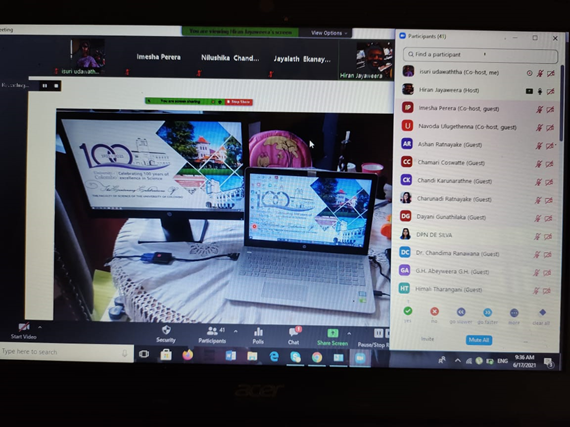
Workshop on modern assessment and the Use of Zoom Software in Learner-Centered Classroom (Academic staff)

- Friday 19th of March 2021
“Let’s Plant Trees for a Better Environment 2021”

- Friday 19th of March 2021
Biz 2020 – UWU Entrepreneurs’ Day

- Friday 19th of March 2021
Faculty of Management signs MoU with the Sri Lanka Institute of Marketing

- Friday 19th of March 2021
0 Replies:
Leave a Reply