- Friday 1st of October 2021



Ambient Bamboo Flooring Reviews: Consumer Ratings and Takeaways for Sellers
Navigating the hard-surface floor covering landscape requires balancing structural durability, environmental safety, and visual appeal. Among direct-to-consumer and trade-focused suppliers in North America, Ambient Bamboo Flooring has established a distinct reputation. By emphasizing high-density strand-woven bamboo flooring products, low-emission adhesive formulations, and aggressive direct sales models, the company frequently appears near the top of buyer shortlists.
Analyzing verified consumer feedback, installer critiques, and long-term performance reviews for Ambient yields a clear picture of what residential and commercial buyers prioritize. For retail sellers, distributors, and interior contractors, these real-world user experiences provide actionable market intelligence on how to position plant-based surfaces, address common buyer hesitations, and build lasting customer loyalty.
Deciphering Consumer Ratings: Where Ambient Succeeds
Customer sentiment regarding Ambient across third-party review aggregators, trade forums, and consumer feedback channels remains consistently high. Buyers routinely highlight three core operational categories that drive their positive ratings and high net promoter scores.
Exceptional Density and Impact Resistance
The primary selling point for Ambient's flagship strand-woven catalog is raw physical hardness. Traditional domestic hardwoods like red oak or maple score between 1,290 and 1,450 pounds of force on the standardized Janka Hardness Scale. Ambient's high-density strand-woven bamboo flooring regularly registers Janka scores exceeding 3,000 to 4,000 pounds of force.
Consumer reviews frequently mention this surface density in relation to active households. Homeowners with large dogs, active young children, or high-heel traffic consistently praise the surface for resisting the deep structural dents and gouges that typically plague softer wood species. Buyers who switched from traditional oak or pine report noticeable reductions in surface indentations over multi-year periods.
Indoor Air Quality and Low VOC Off-Gassing
Modern consumers are increasingly vigilant regarding indoor air quality and chemical exposure. A major concern surrounding compressed plant products is the potential off-gassing of volatile organic compounds, particularly formaldehyde derived from cheap binder resins.
Ambient scores high marks among eco-conscious buyers due to its strict adherence to international emission standards. The brand’s floorboards carry FloorScore certification, verifying compliance with stringent indoor air quality guidelines, alongside California Air Resources Board Phase 2 standards. Reviews written by parents, asthma sufferers, and chemical-sensitivity advocates frequently cite these independent health certifications as the deciding factor in their purchase journey.
Pre-Purchase Service and Sample Accuracy
A recurring theme in positive reviews revolves around the initial buying experience. Direct-to-consumer buyers praise the availability of generous sample kits, clear technical documentation, and knowledgeable telephone customer support. Reviewers note that the physical samples received matched the color, sheen, and milling profiles of the full production shipments closely, minimizing post-delivery surprises.
Critical Takeaways: Pain Points and Common Complaints
While overall ratings lean heavily positive, analyzing critical reviews reveals specific operational friction points. For sellers and industry professionals, these complaints highlight where customer expectations must be managed more effectively prior to purchase.
Freight Transit Damage and Logistics Friction
Because solid strand-woven boards are exceptionally heavy and dense, shipping full pallets via third-party freight carriers presents logistics risks. A noticeable cluster of negative or neutral customer reviews centers on transit-related box damage, crushed board corners, or freight delivery delays. While customer service teams generally replace damaged material promptly, the resulting project delays generate frustration for homeowners working against tight contractor timelines.
Surface Micro-Scratching on Glossy Finishes
While strand-woven construction prevents deep impact dents, the clear protective finish applied over the board remains subject to fine topical micro-scratching. A common complaint among homeowners who selected dark carbonized or high-gloss finishes is that pet claws, tracked-in outdoor grit, and unpadded chair legs leave visible fine white scratches on the clear coat. While the underlying bamboo fibers remain structurally intact, the aesthetic wear on dark, reflective finishes requires regular dry dust-mopping and floor-finish refresh treatments.
Moisture Sensitivity and Subfloor Misalignment
Like all organic materials, strand-woven boards are hygroscopic, meaning they absorb and release ambient atmospheric moisture. A subset of negative reviews highlights post-installation issues such as board cupping, edge peaking, or narrow joint gapping. In almost every case, detailed analysis reveals that these issues stemmed from improper site preparation—specifically, failing to acclimate unopened cartons in the target room for forty-eight to seventy-two hours, or omitting required polyethylene vapor barriers over concrete slabs.
Strategic Lessons for Flooring Retailers and Distributors
The real-world feedback compiled from Ambient customers provides a clear roadmap for other sellers seeking to grow their market share in natural hard-surface categories.
- 1. Educate Buyers on Hardness vs. Scratch Resistance: Sellers must clearly distinguish between structural hardness and surface finish scratch resistance during the sales process. While strand-woven boards resist heavy impact dents better than almost any hardwood, no clear factory finish is completely immune to fine micro-abrasions from grit or sharp pet nails. Advising customers to choose matte or wire-brushed finishes for active homes with pets reduces post-purchase finish complaints significantly.
- 2. Mandate Rigid Acclimation and Subfloor Protocols: To eliminate moisture-related callbacks, retailers should make acclimation guidelines and subfloor moisture limits prominently visible in sales literature and invoices. Training sales staff to emphasize the mandatory use of continuous six-mil poly vapor barriers over concrete subfloors shields both the homeowner and the seller from moisture-migration disputes.
- 3. Upgrade Packaging and Freight Logistics Partnerships: Given that transit damage accounts for a significant portion of negative delivery reviews, investing in reinforced corner protectors, heavy-duty shrink wrapping, and reputable freight carriers yields immediate returns. Providing clear, step-by-step instructions on how customers should inspect freight deliveries and annotate bill-of-lading documents ensures smooth claims processing if shipping damage occurs.
- 4. Lead with Third-Party Health and Environmental Badges: Consumer interest in sustainable, non-toxic building supplies is a permanent market shift. Retailers should display independent certifications—such as FloorScore, CARB Phase 2, and low-VOC resin documentation—prominently on product displays and e-commerce product pages. Transparent health metrics build immediate credibility and justify premium price points.
Matching Material Engineering to Customer Expectations
The consumer sentiment surrounding Ambient demonstrates that high-performance strand-woven plant surfaces have earned a legitimate place in contemporary residential and commercial architecture. When harvested at peak structural maturity, compressed under high pressure, and sealed with low-emission resins, these boards deliver a rare combination of extreme Janka hardness, environmental responsibility, and elevated aesthetic appeal.
By understanding both the strengths and the inherent physical boundaries reflected in customer ratings, sellers can guide property owners toward the right board profiles, installation systems, and maintenance habits. Setting accurate expectations before the first plank is laid down ensures long-term customer satisfaction and solidifies the reputation of natural grass surfaces across the broader building industry.
Brief Introduction to Bothbest
Bothbest is a leading professional manufacturer and exporter of high-quality bamboo flooring and outdoor bamboo decking based in China. Operating advanced production facilities with strict quality control, Bothbest delivers durable, eco-friendly, and beautifully crafted bamboo solutions to international distributors, architects, and contractors worldwide.
Latest News


- Friday 1st of October 2021
“BIZ 2021” Entrepreneurial Day competition
- Friday 1st of October 2021
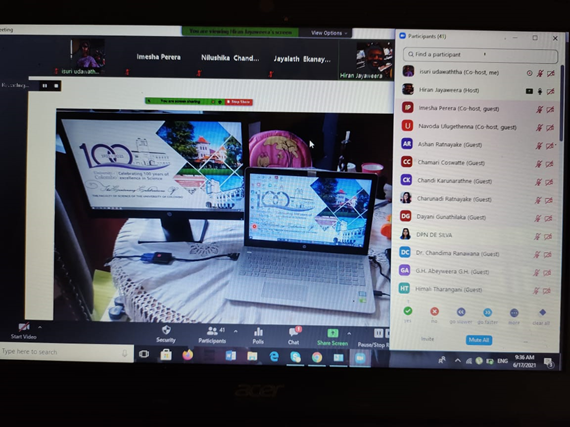
Workshop on modern assessment and the Use of Zoom Software in Learner-Centered Classroom (Academic staff)

- Friday 19th of March 2021
“Let’s Plant Trees for a Better Environment 2021”

- Friday 19th of March 2021
Biz 2020 – UWU Entrepreneurs’ Day

- Friday 19th of March 2021
Faculty of Management signs MoU with the Sri Lanka Institute of Marketing

- Friday 19th of March 2021
0 Replies:
Leave a Reply