- Friday 1st of October 2021



Understanding LGF Lab Gas Flow and Its Role in Scientific Research
LGF laboratory gas circulation refers to the movement and control of gases within lab settings utilizing appropriate gas distribution and flow-control tools. The precise definition of "LGF" may vary depending on the producer or laboratory application, however gas flow systems usually assist supply gases at regulated rates and pressures for experiments, testing, calibration, and analytical treatments. Trusted gas flow management is important in research laboratories due to the fact that even tiny variants in gas stress or circulation rate can affect experimental outcomes, devices efficiency, and functional safety. Laboratory gas circulation systems are developed to transport gases from their sources to tools or experimental arrangements. These systems might consist of gas cylinders, pipes, pressure regulatory authorities, circulation meters, mass circulation controllers, shutoffs, filters, and linking tubes. Each part has a specific feature in preserving a secure and ideal gas supply. Scientific Research Study and Chemical Evaluation Gas circulation systems are commonly made use of in chemical labs for regulated reactions, example preparation, and analytical screening. Instruments such as gas chromatographs call for very carefully managed carrier-gas flow to divide and evaluate chemical substances. Steady gas delivery supports trusted dimensions and helps scientists get consistent results. In pharmaceutical research, regulated gas circulation may be needed for specialised analytical instruments, controlled-atmosphere experiments, and certain making high quality examinations. Researchers make use of appropriate gas shipment systems to maintain specific conditions throughout screening and product development. The system must meet the relevant research laboratory requirements and equipment requirements. Ecological research laboratories utilize gas flow equipment to evaluate air examples, procedure toxins, and assess gas focus. Exact flow control is necessary when gathering samples due to the fact that a wrong flow rate can affect sample quantity and dimension dependability. Effectively maintained tools aids labs create trustworthy ecological information. Industrial research laboratories utilize gas flow systems to examine sensors, adjust gas analysers, and review devices performance. Regulated gas distribution permits professionals to contrast instrument analyses against recognized problems. This supports quality assurance, troubleshooting, and conformity with appropriate testing treatments. Lab LGF lab gas flow must be run according to the residential or commercial properties of the gases being made use of and the producer's instructions. Gas cylinders ought to be safeguarded effectively, regulatory authorities have to be compatible with the particular gas, and links ought to be looked for leaks utilizing an approved technique. Laboratories ought to also offer ideal ventilation, gas discovery where required, and ideal emergency situation treatments. LGF laboratory gas flow stands for an important aspect of lab gas delivery and circulation monitoring. Appropriately made and preserved gas circulation systems sustain accurate dimensions, repeatable experiments, reliable gas consumption, and safe lab procedures. From chemical analysis and pharmaceutical research to ecological screening and commercial calibration, controlled gas shipment plays a valuable role in modern-day scientific work. By choosing suitable equipment, tracking flow prices, adhering to safety and security procedures, and executing normal maintenance, research laboratories can improve operational efficiency and achieve even more reputable outcomes. For applications involving a particular LGF item or design, getting in touch with the supplier's documents is necessary to validate its exact attributes and intended usage.
Recognizing Laboratory Gas Flow Systems
Gas flow can be determined making use of different systems, including litres per minute (L/min), millilitres per minute (mL/min), and typical cubic centimetres per min (sccm). The required flow rate relies on the type of experiment, the gas being made use of, and the specs of the equipment. Exact dimension and adjustment help scientists keep repeatable experimental conditions. To recognize more at https://www.labgasflow.com/.Applications of LGF Lab Gas Circulation
Medical and Pharmaceutical Laboratories
Environmental Testing
Industrial Testing and Calibration

Benefits of Effective Gas Flow Management
Efficient laboratory gas flow monitoring offers a number of crucial benefits. It enhances dimension accuracy by preserving the flow problems required by logical tools. Second, it supports repeatability, allowing scientists to contrast arise from various experiments. Third, appropriate circulation control can lower unnecessary gas usage, aiding laboratories take care of operating expenses.
Another crucial advantage is devices protection. Too much pressure, unpredictable flow, or infected gas supplies might harm sensitive tools or concession experiments. Making use of suitable regulators, filters, and flow-control devices helps reduce these risks. Normal assessment and calibration more improve system reliability.Security and Maintenance Factors To Consider
Routine maintenance includes checking pipes and installations, checking regulators and shutoffs, cleansing or replacing filters when required, and verifying flow-meter accuracy. Instruments needs to be adjusted according to their requirements and the laboratory's quality-management procedures. Workers must receive suitable training prior to running gas distribution devices.Conclusion

Latest News


- Friday 1st of October 2021
“BIZ 2021” Entrepreneurial Day competition
- Friday 1st of October 2021
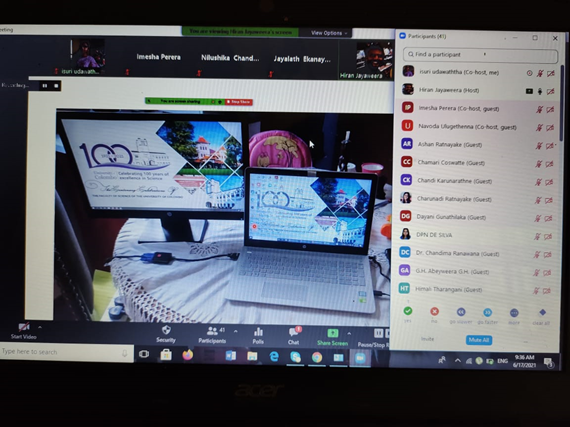
Workshop on modern assessment and the Use of Zoom Software in Learner-Centered Classroom (Academic staff)

- Friday 19th of March 2021
“Let’s Plant Trees for a Better Environment 2021”

- Friday 19th of March 2021
Biz 2020 – UWU Entrepreneurs’ Day

- Friday 19th of March 2021
Faculty of Management signs MoU with the Sri Lanka Institute of Marketing

- Friday 19th of March 2021
0 Replies:
Leave a Reply