- Friday 1st of October 2021



Why Finger Joint Pine Plywood Is a Top Choice for Kids' Furniture
Designing furniture for children requires a delicate balancing act between safety, durability, aesthetic warmth, and cost efficiency. Unlike adult furniture, children's beds, study desks, toy storage units, and play tables face an extraordinary amount of daily wear and tear. They are subjected to climbing, milk spills, crayon drawings, and frequent repositioning. Parents and furniture manufacturers alike need materials that can withstand rigorous active use while ensuring that the indoor living environment remains clean, non-toxic, and visually inviting.
Among the various wood panel products available to custom furniture makers, carpenters, and interior designers, finger joint pine plywood has emerged as a preferred material for children's bedroom and playroom furniture. By combining the natural warmth of clear pine timber with the structural advantages of cross-laminated plywood construction and precision finger-jointing technology, this engineered wood panel provides an ideal solution for modern family homes.
Understanding Finger Joint Pine Plywood Construction
To appreciate why finger joint pine plywood performs so well in children's furniture applications, it helps to understand how these specialized panels are manufactured. Finger jointing is a time-tested woodworking technique where short, high-quality pieces of solid pine lumber are joined together end-to-end using a series of interlocking wedge-shaped fingers. These interlocking joints are bonded under high pressure with durable, moisture-resistant adhesives, creating long, continuous timber strips that are completely free of large loose knots, natural resin pockets, and structural defects.
When these finger-jointed pine strips are laminated into solid plies and arranged in alternating grain directions to form multi-layer plywood panels, the resulting material offers remarkable strength and stability. Traditional solid pine boards, while naturally soft and beautiful, are notoriously prone to warping, twisting, cupping, and splitting along natural grain lines when indoor humidity levels change. By contrast, finger joint pine plywood distributes internal wood stresses evenly across cross-laminated layers. This re-engineered structure ensures that furniture panels remain flat, straight, and dimensionally stable over many years of continuous family use.
Exceptional Structural Stability for Active Playrooms
Children view their bedroom furniture as more than mere storage or sleeping platforms; beds quickly become castles, bookshelves serve as climbing walls, and play tables double as craft stations. As a result, structural integrity and stability are paramount considerations for parents and furniture designers.
Finger joint pine plywood delivers exceptional screw-holding power and mechanical fastener strength. Traditional particleboard and medium-density fiberboard, often found in cheap flat-pack children's furniture, rely on compacted wood dust and synthetic resins. When children push, pull, or lean heavily on furniture assembled from particleboard, the internal fibers can crumble around screws and dowels, causing joint looseness, structural wobbling, or total cabinet failure.
Because finger joint pine plywood retains the natural cell structure and dense fiber alignment of solid pine wood, hardware fasteners bite deeply into solid timber layers. Bed frames, bunk ladders, and heavy toy chests crafted from finger joint pine plywood maintain tight, secure joints that withstand continuous dynamic loads and active play. Furthermore, the multi-ply cross-laminated core prevents structural sag across long shelf spans, ensuring that toy organizers and book storage units hold heavy collections without bending.
Lightweight Handling with High Strength
Another distinct advantage of finger joint pine plywood in children's furniture design is its optimal strength-to-weight ratio. Pine is naturally lighter in weight than dense hardwoods like white oak, hard maple, or beech, as well as heavy synthetic fiberboards.
This lightweight nature provides practical benefits for both parents and growing children. Children's furniture often needs to be rearranged as kids transition from toddlerhood to school age. Lightweight chairs, small play tables, rolling storage bins, and modular stacking cubbies made from finger joint pine plywood allow children to move their own seating safely, fostering independence during playtime. For parents, lightweight furniture simplifies room cleaning, layout adjustments, and house moves.
At the same time, despite being easy to handle, finger joint pine plywood does not compromise on load-bearing capacity. The combination of finger-jointed solid wood strips and multi-layer cross-grain lamination provides high tensile and bending strength, ensuring that small chairs and study desks easily support the weight of adults who sit down to read bedtime stories or help with homework.
Natural Warmth, Clean Grain, and Aesthetic Versatility
Creating a calming, beautiful bedroom space for children involves selecting materials that bring warmth and organic texture into the room. Pure white plastic, cold metal tubing, and synthetic paper laminates often feel sterile and industrial. Natural wood, on the other hand, introduces an organic element that enhances indoor comfort and aligns perfectly with popular Scandinavian, Montessori, and modern minimalist design styles.
Finger joint pine plywood offers a clean, attractive visual appearance characterized by subtle wood grain, soft creamy-yellow tones, and smooth surface textures. Because finger-jointing removes large knots and dark resin pockets during processing, the finished panel surface presents a far cleaner, more uniform appearance than knotty solid pine boards. The subtle interlocking finger joints themselves add an interesting, subtle architectural detail that showcases quality craftsmanship.
Furthermore, pine wood takes stains, paints, clear coats, and natural oils exceptionally well. Furniture designers can leave the panels unpainted under a clear matte varnish to celebrate natural wood tones, or coat them in soft pastel paints, bold primary colors, or white wash finishes. The smooth, knot-free surface of finger joint pine plywood ensures that paint finishes apply evenly without sap bleeding through or knots causing surface cracking over time.
Safety, Smooth Surfaces, and Non-Toxic Indoor Air Quality
When specifying materials for infants and young children, health and safety override all other design criteria. Children spend long hours sleeping, playing, and studying in their bedrooms, making them particularly vulnerable to indoor air pollutants, sharp edges, and wood splinters.
Finger joint pine plywood excels in safety performance when manufactured using high-grade, low-emission adhesives. Quality panel manufacturers utilize water-based or zero-formaldehyde resins that comply with strict international indoor air quality standards. Unlike cheap furniture made with synthetic resins that continuously off-gas volatile organic compounds, clean pine plywood panels help maintain pure indoor air quality, reducing the risk of respiratory irritation, skin allergies, and headaches in young children.
Additionally, pine wood is easy to work with on the factory floor or in the custom carpenter shop. Its smooth fiber density allows woodworkers to rout soft, rounded corners and ease sharp panel edges easily. Smooth, rounded edges are essential on children's furniture to prevent cuts and bruises during accidental falls or stumbles. Because finger joint pine plywood lacks loose knots and cross-grain defects, cut edges sand down to an ultra-smooth finish that will not splinter or catch on delicate clothing and bedding.
Environmental Sustainability and Eco-Friendly Living
Teaching children environmental responsibility begins with the choices made inside the home. Modern parents increasingly prioritize furniture pieces crafted from renewable, eco-friendly raw materials that minimize environmental impact.
Pine timber used for finger joint plywood is harvested primarily from fast-growing, sustainably managed softwood plantations. Pine trees reach commercial harvesting maturity much faster than slow-growing tropical or temperate hardwoods. Responsible forest management ensures that harvested timber stands are continuously replanted, protecting natural forest ecosystems, conserving topsoil, and maintaining a positive carbon balance.
Moreover, finger jointing technology plays a critical role in zero-waste timber utilization. By joining shorter lengths of clean pine wood together, lumber mills utilize high-quality timber sections that would otherwise be discarded due to minor natural defects like knots or edge cracks. This efficient manufacturing process maximizes wood yield from every harvested log, reducing forest resource waste while producing high-performing engineered panels. Choosing finger joint pine plywood furniture supports circular, low-carbon manufacturing that preserves natural resources for future generations.
Easy Maintenance and Long-Term Repairability
Children's play spaces are inherently messy. Paints, markers, juice spills, and playdough are part of daily creative play, meaning furniture surfaces must be easy to clean and maintain over many years of use.
Sealed finger joint pine plywood features a smooth, non-porous surface that wipes clean quickly using a soft cloth, warm water, and mild soapy solutions. Dried liquid spills and water-based marker streaks can be removed without staining or damaging the protective topcoat.
Should the furniture experience accidental deep scratches, dent marks, or crayon drawings over years of active play, solid wood finger joint plywood offers a major repairability advantage over laminate-covered particleboard. While damaged plastic or paper laminates cannot be repaired once torn, solid pine plywood can be lightly sanded down, filled, and refinished with a fresh coat of sealer or paint. This ease of restoration extends the useful life of children's furniture significantly, allowing classic pieces like study desks, bunk beds, and toy chests to be passed down from older siblings to younger children or repurposed as family heirlooms.
Cost-Effective Luxury for Growing Families
Equipping a child's bedroom with durable, healthy, and stylish furniture represents a noticeable financial investment for growing families. Premium solid hardwood furniture crafted from oak, walnut, or cherry often carries prohibitive price tags, making it impractical for furniture that children will eventually outgrow.
Finger joint pine plywood bridges the gap between high-end solid timber and cheap disposable flat-pack furniture. It provides the authentic warmth, structural strength, non-toxic safety, and long-term durability of natural solid wood at an accessible price point. By combining raw material efficiency with advanced industrial lamination, manufacturers can produce high-quality, beautiful children's furniture that remains affordable without sacrificing performance or aesthetic appeal.
Whether applied in toddler beds, modular storage cubbies, Montessori learning towers, or ergonomic study desks, finger joint pine plywood delivers a winning combination of physical strength, lightweight versatility, clean visual warmth, and environmental integrity. It stands as a top material choice for creating safe, inspiring, and durable furniture pieces that support children through every stage of early growth and development.
Bothbest is a professional bamboo factory and supplier of high-quality bamboo flooring and bamboo decking based in China. With advanced manufacturing technology, rigorous quality control, and decades of industry experience, Bothbest supplies durable, eco-friendly strand-woven bamboo materials to distributors, contractors, and architectural projects across global markets worldwide.
Latest News


- Friday 1st of October 2021
“BIZ 2021” Entrepreneurial Day competition
- Friday 1st of October 2021
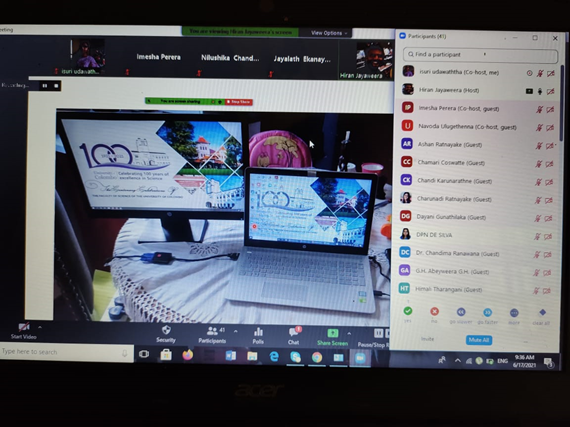
Workshop on modern assessment and the Use of Zoom Software in Learner-Centered Classroom (Academic staff)

- Friday 19th of March 2021
“Let’s Plant Trees for a Better Environment 2021”

- Friday 19th of March 2021
Biz 2020 – UWU Entrepreneurs’ Day

- Friday 19th of March 2021
Faculty of Management signs MoU with the Sri Lanka Institute of Marketing

- Friday 19th of March 2021
0 Replies:
Leave a Reply